
The Strategic Role of Continuous Learning in Modern Organizations
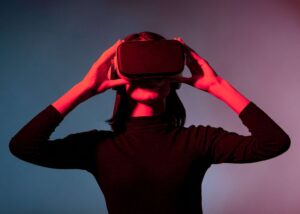
Continuous learning has become a defining factor in organizational competitiveness, shaping how companies adapt, innovate, and retain high-performing talent. As markets shift rapidly and technologies evolve at unprecedented speed, employees need constant access to new knowledge and hands-on skill development to stay relevant. Virtual reality platforms such as Mazer Trainer address this urgency by transforming the traditional learning model into an immersive, data-driven experience that supports ongoing growth rather than sporadic training events. By placing learners inside realistic simulations, VR enables mastery through repetition, safe experimentation, and immediate feedback—capabilities that conventional classroom or video-based approaches struggle to replicate.

Forward-thinking organizations now view continuous upskilling and reskilling not as optional benefits but as core operational imperatives. The companies that thrive are those that create clear, long-term learning pathways, supported by technologies capable of personalizing training to individual needs and organizational goals. VR environments deliver this by providing consistent, scalable learning experiences across different locations, departments, and skill levels. When combined with robust analytics, platforms like Mazer Trainer help L&D teams identify competency gaps early, measure progress accurately, and adjust training programs dynamically. This shift from periodic instruction to constant capability building equips employees to embrace new responsibilities, innovate confidently, and contribute more meaningfully to organizational success.
How Companies Can Harness VR for Professional Development to Build Future-Ready Skills
Immersive learning ecosystems built around VR for professional development give organizations the tools to future-proof their workforce efficiently and strategically. By integrating VR modules into structured development pathways, companies can deliver training that evolves in parallel with technological advancements and shifting market expectations. In the second phase of transformation, VR becomes not only a tool for engagement but also a long-term foundation of professional growth—supporting certifications, advanced simulations, leadership training, safety compliance, technical proficiency, and soft-skill enhancement. The deeply interactive nature of VR boosts retention and accelerates skill acquisition, making complex topics more accessible and reducing the time required to bring employees to full proficiency.

Beyond improving learning outcomes, VR for professional development strengthens organizational resilience by standardizing training quality across teams and locations. This helps eliminate disparities in knowledge transfer, ensuring every employee receives the same high-quality instruction regardless of geography or experience level. Additionally, VR’s built-in analytics allow learning leaders to track progress, identify emerging capability gaps, and design adaptive learning journeys that evolve with business needs. Platforms like Mazer Trainer and Mazerspace offer companies an opportunity to modernize L&D strategies at scale, fostering a culture in which continuous improvement is both expected and supported. By embracing VR for professional development, organizations position themselves to cultivate agile, confident, and future-ready talent capable of navigating the complexities of tomorrow’s digital landscape.